

Capped vs Uncapped Composite Decking: Understanding the Key Differences
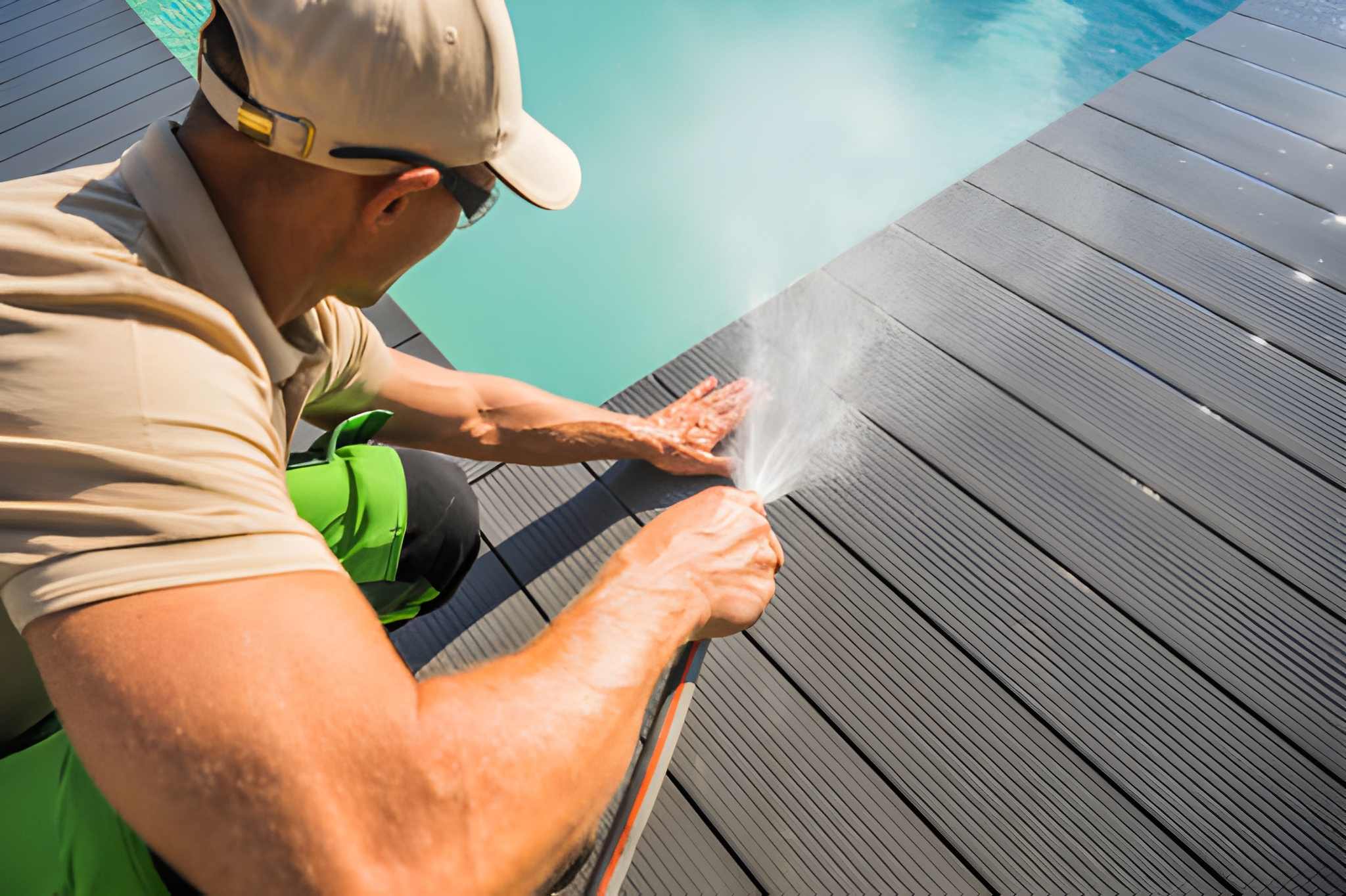
Composite decking has undergone a massive transformation, moving from basic timber alternatives to highly engineered outdoor systems. In the early days of composite decking, uncapped boards were the standard option, offering homeowners and commercial property owners a durable, stylish, and low-maintenance alternative to natural timber.
However, as engineering has advanced, capped composite decking has emerged as a modern solution, enhancing both performance and appearance. While both options serve the same purpose, they differ in key areas such as design, material finish, and colour consistency.
What is an Uncapped Composite Decking?
Uncapped decking refers to traditional composite boards made from a blended mix of recycled wood fibres and plastic polymers.
During manufacturing, this material is melted through an extrusion process and shaped into boards, ensuring the same composition runs throughout the product. Because these boards are left uncapped, the wood fibres remain exposed.
From a design perspective, this provides a more natural, timber-like appearance with visible texture and grain variation. However, this exposure also means the core is more porous and less protected from moisture, staining, and environmental wear over time.
What is a Capped Composite Decking?
Capped composite decking is a modern decking material designed with a protective outer layer bonded to a composite core. Unlike uncapped boards, it features a “cap” that is fused during co-extrusion.
First, recycled wood fibres and plastic polymers are blended to form a dense core. Then, a separate polymer layer is wrapped around this core to create the capped surface. This outer layer contains stabilised materials such as colour pigments and UV inhibitors. As a result, the decking board has a consistent structure with an added protective shell.
Key Differences Between Capped and Uncapped Composite Decking
Although both types share a similar core construction, capped and uncapped composite decking differ in durability, maintenance, and overall performance.
- Aesthetic Versatility: As mentioned earlier, uncapped decking offers a natural, wood-like aesthetic with its exposed fibres. However, its colour and style options are limited. In contrast, capped composite decking provides a sleek finish with a wider range of colours and designs, allowing greater flexibility in deck styling.
- Maintenance: Both capped and uncapped composite decking are low-maintenance, requiring only occasional cleaning with soapy water or a power washer. However, uncapped boards are slightly more porous, which may allow minimal moisture absorption and the formation of mould or algae, thus requiring extra maintenance.
- Longevity: While both are rot-resistant and durable, capped composite decking has an extra protective layer, making it more resilient to environmental factors and potentially longer-lasting than uncapped boards.
- Stain Resistance: Capped composite boards offer superior stain resistance compared to uncapped options. This is because the added polymer layer acts as a barrier, keeping spilled liquids on the surface where they can be quickly wiped away. In contrast, uncapped boards lack this protective outer layer. Their exposed wood fibres are slightly more absorbent, meaning spills can soak in if not cleaned promptly.
- Scratch Resistant: Uncapped decking is generally softer on the surface and is more susceptible to scratches. On the other hand, Capped composite has a layer of polymer that offers better scratch protection. However, it does not mean the surface is scratch proof.
Which Composite Decking Type is Right for You?
Choosing the right composite decking out of capped and uncapped depends on factors such as climate, usage, budget, and the look you want to achieve.
- Cost and Budget: If you’re working with a tighter budget, uncapped composite decking can be a cost-effective choice. However, if you’re aiming for a long-lasting, high-performance deck, investing in capped decking is worthwhile despite the higher upfront cost, as it offers greater durability and consistent appearance over time.
- Installation Areas: Uncapped decking is best suited for sheltered or low-traffic areas such as covered patios or private garden corners. These locations place less demand on the material, allowing it to perform effectively. In contrast, capped composite decking is ideal for exposed and high-use areas such as balconies, pool decks, and rooftop terraces, where stronger surface protection and visual consistency are important.
- Climate Comfort: In high-heat regions such as Singapore, prolonged sun exposure is a key consideration. Capped composite decking addresses this with a protective sleeve that resists UV-related fading and surface degradation. This benefit is further enhanced by Tulou’s wood plastic composite (WPC) decking, which is made from high-quality raw materials blended with UV-inhibiting pigments that help minimise heat build-up. In addition, its ventilated installation system allows airflow beneath the planks, enabling heat to disperse faster and keeping the composite decking more comfortable to walk on under the sun.
Upgrade Your Outdoor Space with Tulou’s Capped Composite Decking
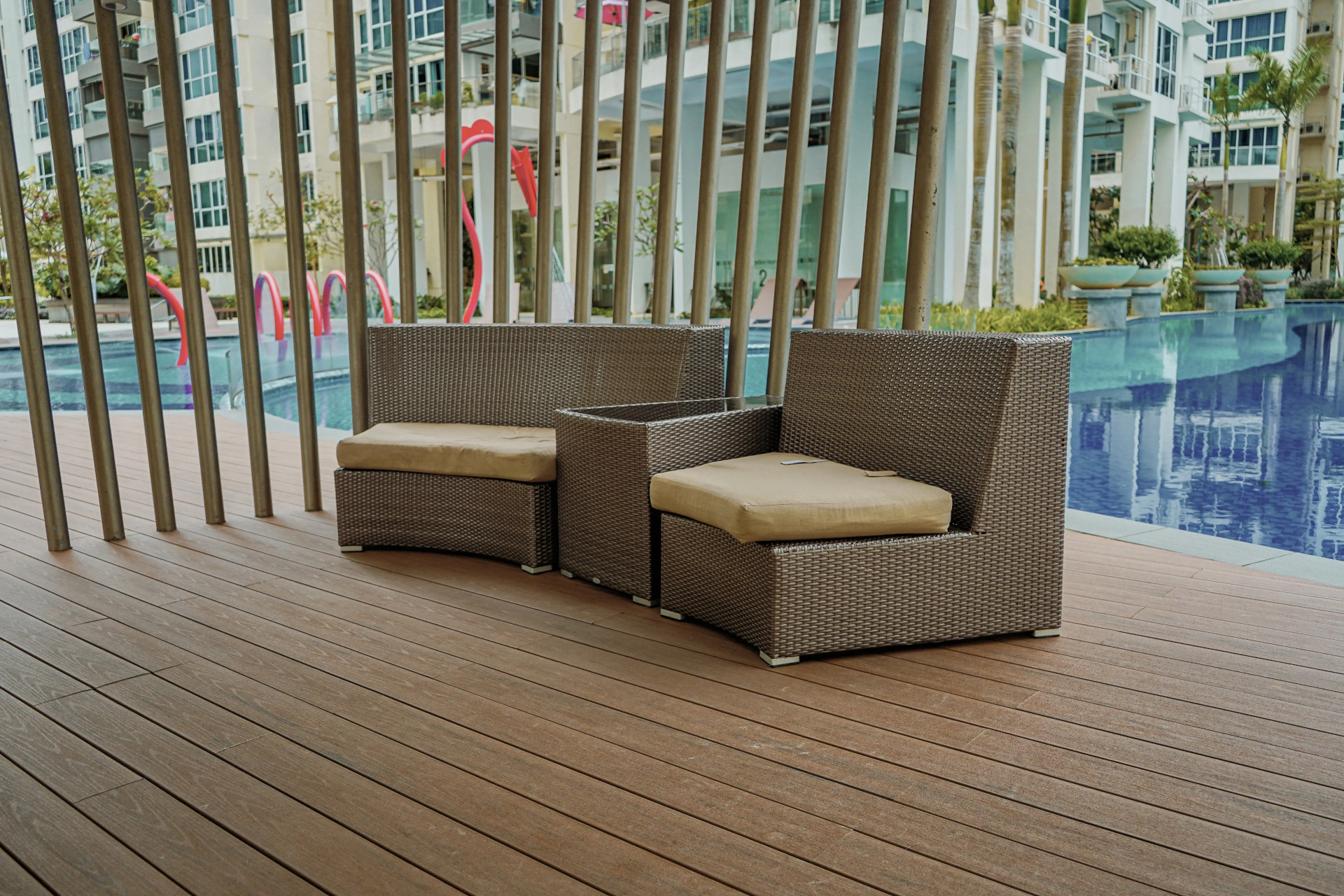
For those seeking the benefits of capped composite decking to enhance their outdoor space, Tulou offers high-quality 4-sided capped WPC decking products.
Our TuWood range delivers low maintenance, high performance, and industry-leading protection against colour fade, rot, warp, and stains. On the other hand, our CULTURE® range offers premium, nature-inspired aesthetics with 3- or 4-sided capping for enhanced longevity. Both ranges are slip-resistant and engineered for lasting comfort.
Browse Tulou’s outdoor composite decking collections today and find the perfect solution for your space.